

As a seasoned Stamping Part supplier, I've witnessed firsthand the pivotal role these components play across various industries. From automotive to electronics, stamping parts are integral to the smooth operation and functionality of countless products. However, ensuring their longevity and optimal performance requires a proactive approach to maintenance. In this blog post, I'll share some essential tips on how to maintain stamping parts effectively, drawing on my years of experience in the industry.
Understanding the Basics of Stamping Parts
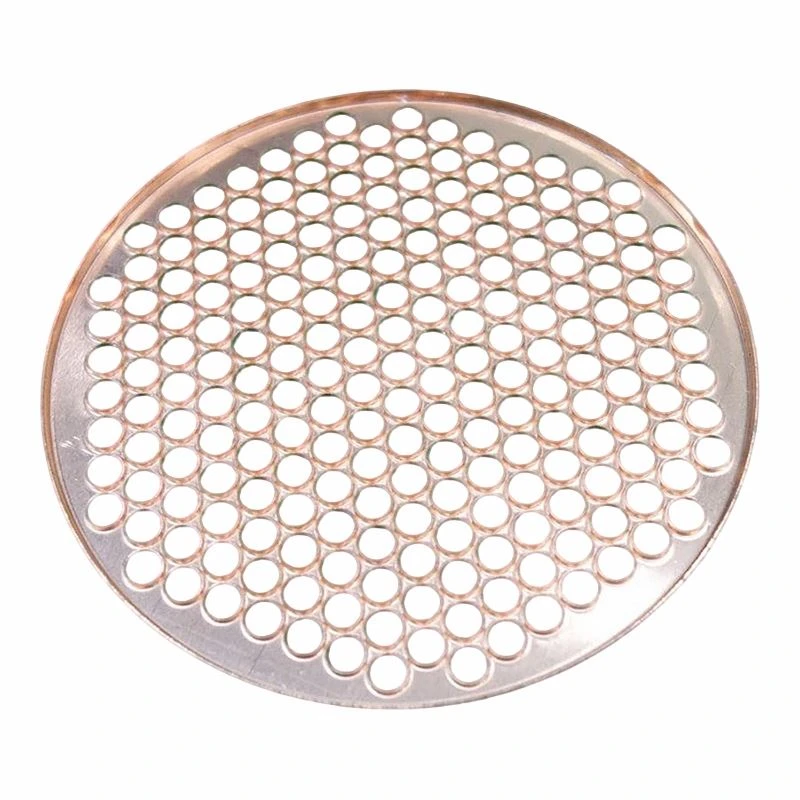
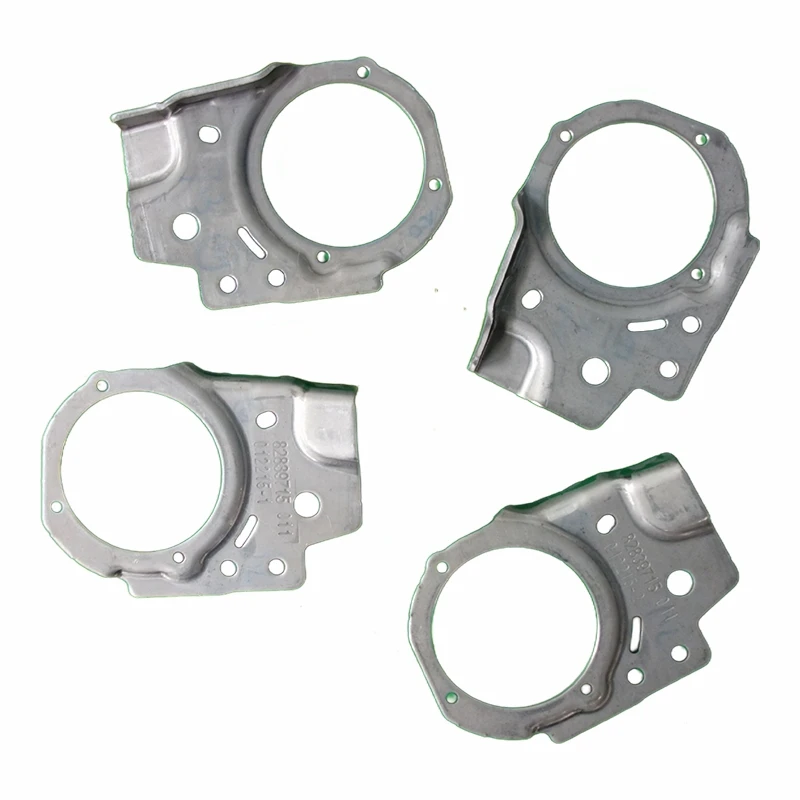
Before delving into maintenance strategies, it's important to have a clear understanding of what stamping parts are and how they work. Stamping is a manufacturing process that involves using a press and a die to transform flat sheet metal into various shapes and sizes. The resulting Stamping Part can range from simple brackets and connectors to complex components with intricate geometries.
Stamping parts are commonly made from a variety of metals, including steel, aluminum, copper, and brass. Each metal has its own unique properties and characteristics, which can affect the performance and durability of the stamping parts. For example, steel is known for its strength and durability, while aluminum is lightweight and corrosion-resistant.
Importance of Maintenance
Proper maintenance of stamping parts is crucial for several reasons. Firstly, it helps to ensure the reliability and safety of the products in which they are used. Faulty or worn-out stamping parts can lead to product failures, malfunctions, and even safety hazards. By implementing a regular maintenance schedule, you can identify and address potential issues before they escalate, reducing the risk of downtime and costly repairs.
Secondly, maintenance can extend the lifespan of stamping parts, reducing the need for frequent replacements. This not only saves money but also helps to minimize waste and environmental impact. Additionally, well-maintained stamping parts can improve the overall efficiency and productivity of the manufacturing process, leading to higher quality products and increased customer satisfaction.
Maintenance Strategies
1. Regular Inspection
Regular inspection is the cornerstone of effective stamping part maintenance. By visually inspecting the parts on a regular basis, you can identify signs of wear, damage, or corrosion early on and take appropriate action. Look for cracks, dents, scratches, and other visible defects, as well as signs of excessive wear or deformation. Pay special attention to critical areas such as the edges, corners, and contact surfaces.
It's also important to inspect the stamping dies and tools regularly. The dies are the key components of the stamping process, and any damage or wear to the dies can affect the quality and accuracy of the stamping parts. Check for signs of wear on the die surfaces, such as chipping, cracking, or excessive wear, and replace the dies as needed.
2. Cleaning and Lubrication
Cleaning and lubrication are essential for maintaining the performance and longevity of stamping parts. Over time, dirt, debris, and metal shavings can accumulate on the surface of the parts, causing friction, wear, and corrosion. Regular cleaning can help to remove these contaminants and prevent them from causing damage.
Use a clean, dry cloth or a mild cleaning solution to wipe down the stamping parts. Avoid using abrasive cleaners or solvents, as these can damage the surface of the parts. After cleaning, apply a thin layer of lubricant to the moving parts to reduce friction and wear. Choose a lubricant that is compatible with the metal and the operating conditions of the stamping parts.
3. Proper Storage
Proper storage is another important aspect of stamping part maintenance. When not in use, stamping parts should be stored in a clean, dry, and well-ventilated area. Avoid storing the parts in areas where they are exposed to moisture, humidity, or extreme temperatures, as these conditions can cause corrosion and damage.
It's also important to store the stamping parts in a way that prevents them from coming into contact with each other or with other hard objects. This can help to prevent scratches, dents, and other forms of damage. Use appropriate storage containers or racks to keep the parts organized and protected.
4. Training and Education
Proper training and education are essential for ensuring that the maintenance of stamping parts is carried out effectively. Make sure that your employees are trained on the proper inspection, cleaning, lubrication, and storage procedures for stamping parts. Provide them with the necessary tools and equipment to perform these tasks safely and efficiently.
In addition to training your employees, it's also a good idea to stay up-to-date on the latest advancements in stamping technology and maintenance techniques. Attend industry conferences, seminars, and training courses to learn about new products, processes, and best practices. This can help you to improve the quality and efficiency of your stamping operations and stay ahead of the competition.
Specific Considerations for Different Types of Stamping Parts
1. Stamped Component
Stamped components are typically small, precision parts that are used in a variety of applications. They are often made from high-strength metals and require careful handling and maintenance. When inspecting stamped components, pay special attention to the dimensional accuracy and surface finish of the parts. Any deviations from the specifications can affect the performance and functionality of the components.
2. Sheet Metal Part
Sheet metal parts are large, flat parts that are commonly used in the automotive, aerospace, and construction industries. They are often made from thin sheets of metal and require special handling and storage to prevent warping and deformation. When inspecting sheet metal parts, look for signs of bending, stretching, or tearing. Also, check the edges of the parts for sharp burrs or rough surfaces, as these can cause injury or damage to other components.
3. Stampings Part
Stampings parts are similar to stamped components but are typically larger and more complex in shape. They are often used in high-stress applications and require a high level of precision and durability. When inspecting stampings parts, pay attention to the internal structure and integrity of the parts. Look for signs of internal cracks, voids, or other defects that could affect the performance and reliability of the parts.
4. Stamping Product
Stamping products are the final products that are made from stamping parts. They can range from simple consumer goods to complex industrial machinery. When inspecting stamping products, it's important to consider the overall functionality and performance of the product. Look for signs of misalignment, improper fit, or other issues that could affect the operation of the product.
Contact for Purchase and Consultation
If you're in the market for high-quality stamping parts or need advice on stamping part maintenance, I'd be more than happy to assist you. Our company has years of experience in the stamping industry and offers a wide range of customized stamping solutions to meet your specific needs. Whether you need a small batch of prototype parts or a large-scale production run, we have the expertise and resources to deliver the results you're looking for.
Contact us today to learn more about our products and services. We look forward to working with you to help you achieve your manufacturing goals.
References
- ASM Handbook, Volume 14A: Metalworking: Stamping and Forming. ASM International, 2008.
- Die Design Handbook. Society of Manufacturing Engineers, 2002.
- Metal Stamping Technology. Industrial Press, 2010.