

Fatigue resistance is a critical consideration in the design and application of custom stamped parts. As a leading supplier of custom stamped parts, we understand the significance of this property and its impact on the performance and longevity of the products we provide. In this blog, we will delve into the fatigue resistance properties of custom stamped parts, exploring the factors that influence it, testing methods, and how we ensure the high - quality fatigue resistance of our offerings.
Understanding Fatigue in Custom Stamped Parts
Fatigue in custom stamped parts occurs when a part is subjected to repeated cyclic loading. This cyclic stress can cause microscopic cracks to initiate and propagate over time, eventually leading to failure. Unlike static loading, where a single load is applied until the part breaks, fatigue failure can happen at stress levels well below the material's ultimate tensile strength.
Custom stamped parts are used in a wide range of industries, such as automotive, aerospace, electronics, and machinery. In automotive applications, for example, Pressed Part may be subjected to continuous vibrations and mechanical stresses from engine operation, suspension movement, and road conditions. In aerospace, Stampings Part need to withstand the dynamic forces during take - off, flight, and landing. These real - world scenarios highlight the importance of fatigue resistance.
Factors Influencing Fatigue Resistance
Material Selection
The choice of material is one of the most fundamental factors affecting the fatigue resistance of custom stamped parts. Different metals and alloys have distinct fatigue properties. For instance, stainless steel is known for its good corrosion resistance and relatively high fatigue strength, making it suitable for applications in harsh environments. Aluminum alloys, on the other hand, are lightweight and have reasonable fatigue resistance, which is beneficial for weight - sensitive applications like aerospace.
As a custom stamped parts supplier, we work closely with our clients to select the most appropriate materials based on their specific requirements. We consider factors such as the expected stress levels, environmental conditions, and cost - effectiveness. By choosing the right material, we can significantly enhance the fatigue resistance of the stamped parts.
Manufacturing Process
The stamping process itself can have a profound impact on the fatigue resistance of the parts. The way the material is deformed during stamping, the quality of the die, and the precision of the operation all play crucial roles. For example, improper stamping can introduce residual stresses in the part. High residual stresses can act as stress raisers, accelerating the initiation and propagation of fatigue cracks.
We employ advanced stamping techniques and state - of - the - art equipment to ensure that our Sheet Metal Part are manufactured with minimal residual stresses. Our experienced technicians carefully monitor the stamping process, adjusting parameters such as punch force, die clearance, and stamping speed to optimize the part's structure and reduce stress concentrations.
Surface Finish
The surface finish of custom stamped parts is another important factor. A rough surface can act as a stress concentrator, increasing the likelihood of crack initiation. Microscopic defects, scratches, or burrs on the surface can serve as sites where fatigue cracks start. We pay great attention to the surface finish of our parts. After stamping, we may use processes such as grinding, polishing, or shot - peening. Shot - peening, in particular, can introduce compressive stresses on the surface, which helps to counteract the tensile stresses that cause fatigue cracks, thereby improving the fatigue resistance of the Metal Stamped Part.
Testing Methods for Fatigue Resistance
Fatigue Testing Machines
To accurately assess the fatigue resistance of custom stamped parts, we use specialized fatigue testing machines. These machines subject the parts to cyclic loading under controlled conditions. The test can be performed in different loading modes, such as tension - compression, bending, or torsion, depending on the expected real - world loading conditions of the part.
During the test, we monitor the number of cycles the part can withstand before failure. This data is then used to generate an S - N curve (stress - number of cycles curve), which shows the relationship between the applied stress and the number of cycles to failure. By analyzing the S - N curve, we can determine the fatigue strength of the part at different stress levels and predict its service life.
Nondestructive Testing
In addition to fatigue testing machines, we also use nondestructive testing (NDT) methods to detect any potential cracks or defects in the parts before and during fatigue testing. Techniques such as ultrasonic testing, magnetic particle testing, and eddy - current testing can identify subsurface and surface cracks without damaging the part. This allows us to detect and address any issues early, ensuring the quality and reliability of our Stamping Product.
Ensuring High - Quality Fatigue Resistance in Our Custom Stamped Parts
Quality Control System
We have established a comprehensive quality control system to ensure that all our custom stamped parts meet the highest standards of fatigue resistance. From material inspection at the incoming stage to final product testing, every step of the manufacturing process is closely monitored. Our quality control team conducts regular inspections and tests, using both destructive and nondestructive methods, to verify the fatigue properties of the parts.
Continuous Improvement
We are committed to continuous improvement in our manufacturing processes and product quality. We invest in research and development to explore new materials, stamping techniques, and surface treatment methods that can enhance the fatigue resistance of our parts. By staying at the forefront of technology and innovation, we can provide our customers with custom stamped parts that offer superior performance and long - term reliability.
Conclusion
Fatigue resistance is a vital property for custom stamped parts, especially in applications where they are subjected to cyclic loading. As a custom stamped parts supplier, we understand the complexity of fatigue and the factors that influence it. Through careful material selection, advanced manufacturing processes, and rigorous quality control, we ensure that our parts have excellent fatigue resistance.

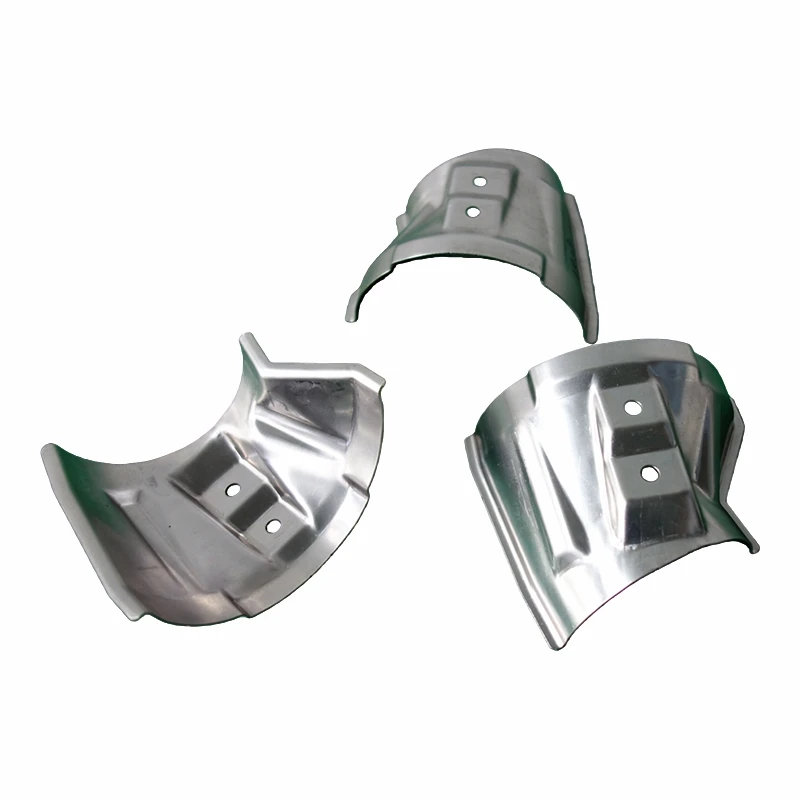
If you are in need of high - quality custom stamped parts with superior fatigue resistance, we invite you to contact us for procurement and further discussion. Our team of experts is ready to work with you to understand your specific requirements and provide customized solutions.
References
- Metals Handbook: Fatigue and Fracture, ASM International.
- Shigley's Mechanical Engineering Design, Richard G. Budynas, J. Keith Nisbett.
- Design for Manufacturing and Assembly: Simplification, Integration, and Optimization of Production Processes, Gershon Levitin.