

What are the flatness requirements for printer stamped parts?
As a leading supplier of Printer Stamped Parts, I understand the critical role that flatness plays in the performance and functionality of these components. In the world of printer manufacturing, precision is key, and the flatness of stamped parts can significantly impact the overall quality of the printer. In this blog post, I will explore the flatness requirements for printer stamped parts, the factors that affect flatness, and the importance of meeting these requirements.
Understanding Flatness Requirements
Flatness is a measure of how closely a surface approximates a theoretical plane. In the context of printer stamped parts, flatness is crucial for ensuring proper alignment and functionality. For example, printer cartridges often contain stamped parts such as contacts and guides, which need to be flat to ensure accurate ink delivery and paper feeding. If these parts are not flat, it can lead to issues such as ink smudging, paper jams, and poor print quality.
The flatness requirements for printer stamped parts can vary depending on the specific application and the printer model. However, in general, the flatness tolerance for these parts is typically very tight, often within a few thousandths of an inch. This level of precision is necessary to ensure that the parts fit together correctly and function as intended.
Factors Affecting Flatness
Several factors can affect the flatness of printer stamped parts. One of the primary factors is the material used in the stamping process. Different materials have different properties, such as stiffness and ductility, which can impact how they deform during stamping. For example, softer materials may be more prone to warping or bending, while harder materials may be more difficult to stamp flat.
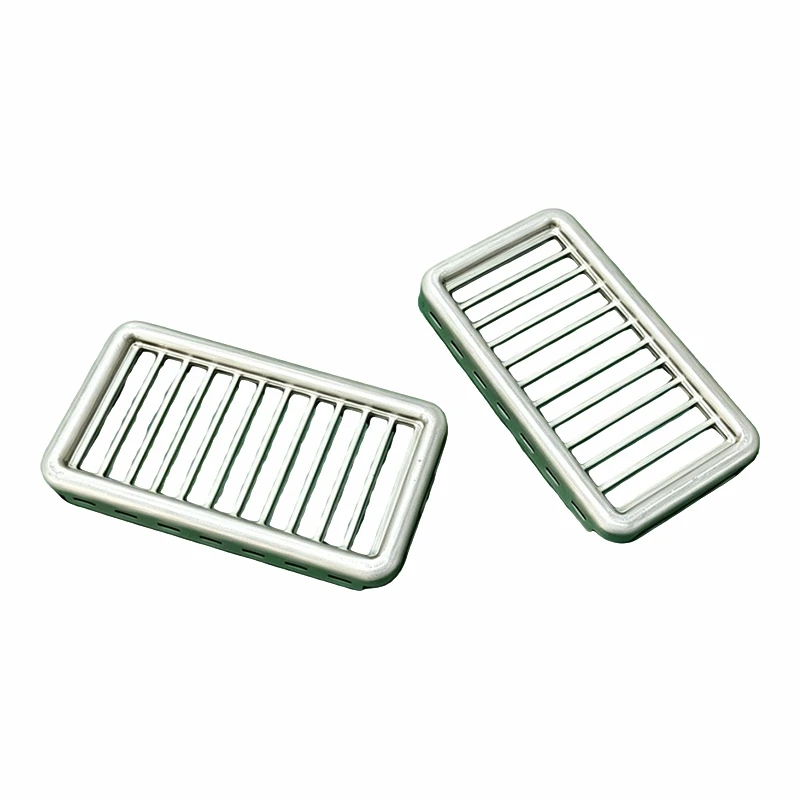
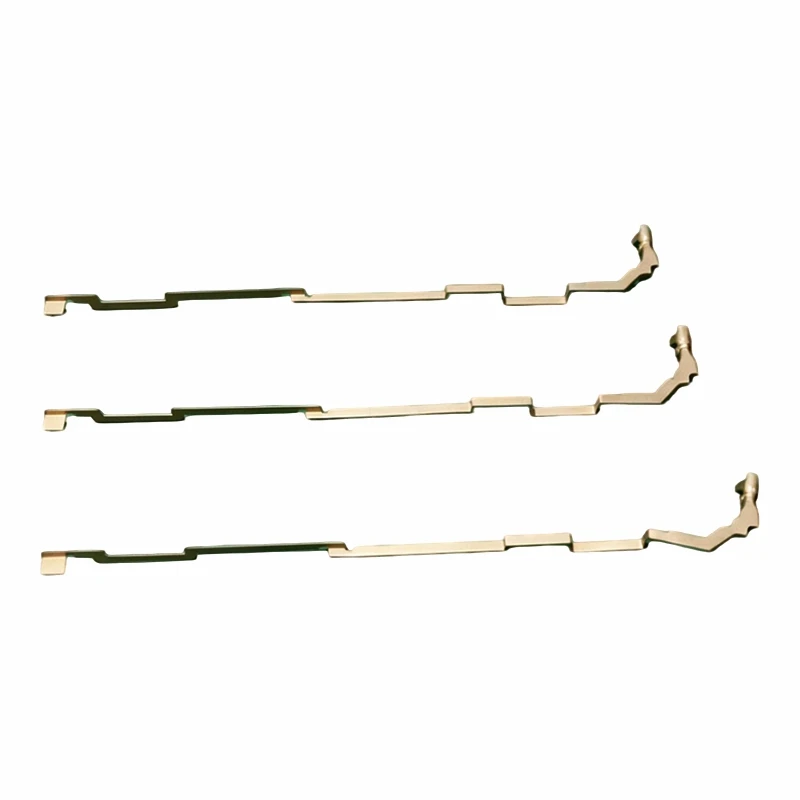
The stamping process itself can also have a significant impact on flatness. Factors such as the die design, the stamping force, and the speed of the stamping press can all affect the final flatness of the parts. For example, if the die is not properly designed, it may not apply an even force to the material, resulting in uneven deformation and poor flatness. Similarly, if the stamping force is too high or the speed is too fast, it can cause the material to stretch or warp, leading to flatness issues.
Another factor that can affect flatness is the handling and storage of the stamped parts. During transportation and storage, the parts may be subjected to various stresses and vibrations, which can cause them to bend or warp. To minimize the risk of flatness issues, it is important to handle the parts carefully and store them in a stable environment.
Importance of Meeting Flatness Requirements
Meeting the flatness requirements for printer stamped parts is essential for several reasons. First and foremost, it ensures the proper functioning of the printer. As mentioned earlier, flat parts are necessary for accurate ink delivery, paper feeding, and overall print quality. If the parts are not flat, it can lead to a variety of problems that can affect the user experience and the reputation of the printer manufacturer.
In addition to ensuring proper functionality, meeting flatness requirements also helps to improve the reliability and durability of the printer. Flat parts are less likely to wear out or break prematurely, which can reduce the need for maintenance and repairs. This, in turn, can save time and money for both the printer manufacturer and the end user.
Finally, meeting flatness requirements is important for compliance with industry standards and regulations. Many printer manufacturers have strict quality control standards that require stamped parts to meet certain flatness tolerances. By ensuring that our parts meet these requirements, we can help our customers to meet their own quality control requirements and comply with industry regulations.
Our Commitment to Flatness
As a supplier of Printer Stamped Parts, we are committed to providing our customers with parts that meet the highest standards of flatness and quality. To achieve this, we use state-of-the-art stamping equipment and advanced manufacturing processes to ensure that our parts are stamped with precision and accuracy. We also have a rigorous quality control system in place to inspect every part before it leaves our facility, ensuring that it meets our strict flatness requirements.
In addition to our commitment to quality, we also offer a wide range of customized solutions to meet the specific needs of our customers. Whether you need a simple stamped part or a complex assembly, we have the expertise and resources to develop a solution that meets your requirements. We also offer fast turnaround times and competitive pricing, making us the ideal partner for your printer stamped parts needs.
Related Products
We also offer a variety of other stamped parts for electronic applications, including Precision Terminal Stamping Parts, Projector Stamped Parts, Electrical Contact Stamped Parts, Electronic Stamped Parts, and Office Automation Stamped Parts. These parts are designed to meet the same high standards of precision and quality as our printer stamped parts, and we are confident that they will meet your needs.
Contact Us for Procurement
If you are interested in learning more about our Printer Stamped Parts or any of our other products, please do not hesitate to contact us. Our team of experts is always available to answer your questions and provide you with a quote. We look forward to the opportunity to work with you and help you meet your printer stamped parts needs.
References
- Metal Stamping Handbook, Society of Manufacturing Engineers.
- Advanced Manufacturing Technology for Electronic Components, CRC Press.