

Hey everyone, I'm Jake, part of the team at a connector stamped parts supplier that's been in the metal stamping game for over a decade. If you're working with electronic components, you know how easily small details can derail a project-especially when it comes to plating on stamped parts. Today, I'm breaking down the real, practical requirements for plating thickness on connector stamped parts, stuff we've learned through thousands of runs, not just textbook theories.
First off, let's get why plating thickness even matters here. Connector stamped parts are the unsung heroes of every device you use: your phone, laptop, car's infotainment, even the smart thermostat. They're the bridge between two circuits, so if the plating's too thin, you get poor conductivity, corrosion, or parts that wear out way sooner than they should. Too thick? You're wasting material, which cranks up costs, and might even mess with the tight tolerances stamped parts need-like, we're talking micron-level stuff here, so a 10-micron overage on a tiny terminal can make it not fit right.
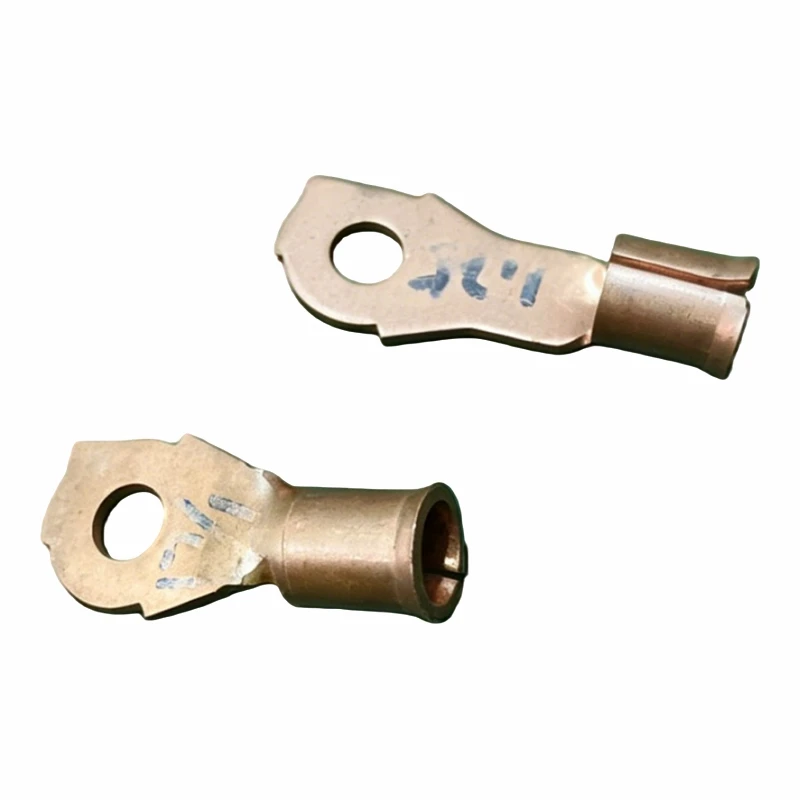
When customers reach out asking about plating thickness specs, the first thing I ask is "what's this part's job?" Because that's the big driver. If it's a high-current connector in an electric vehicle, that's way different than a tiny signal connector in a projector. Speaking of projector stamped parts, those often go in devices where space is tight and signal integrity is key-so their plating needs to balance conductivity with not adding bulk. Same with precision terminal stamping parts, which are the tiny, often hidden connections that keep a circuit stable; their plating thickness is all about consistent contact, no flaking even after thousands of insertions.
Let's start with the common plating materials and their thickness ranges, since that's where most folks get confused. The go-tos for connectors are gold, tin, nickel, and sometimes palladium, each with their own sweet spot.
Gold is the big one for high-performance, low-signal connectors-think aerospace, medical devices, or any part that needs to resist corrosion over decades. We usually recommend a "flash gold" for contact surfaces, which is super thin, like 0.05 to 0.1 microns, but wait-you can't have just gold on the stamped base metal (usually copper or brass, since those stamp well and conduct). You need a nickel underlayer, 2 to 5 microns thick, right under the gold. Why? Nickel acts as a barrier, stopping the base metal from leaching into the gold, which would mess with conductivity and cause discoloration. For heavy-duty gold plating, like parts that get handled a lot, we might go up to 0.2 microns of gold, but anything more is just throwing money away. We once had a customer spec 1 micron of gold on a precision terminal stamping part, and after testing, the extra gold didn't improve performance at all-we had to have a chat about waste, which saved them a ton on material costs long-term.
Tin is way more common for consumer electronics, low-current connectors, and things that go through wave soldering. Tin is cheap, conducts well when new, and solder bonds like crazy to it. But tin has a downside: it can form "tin whiskers" over time-tiny metal filaments that short circuits. That's why thickness matters here. For general consumer stuff, we stick to 5 to 8 microns of tin. If it's for a device that's in a humid environment, like a outdoor sensor, we bump it up to 8 to 12 microns to reduce whisker risk. We did a job a few years back for a home appliance maker that was getting tin whisker issues on their dishwasher connectors; cranking the tin thickness from 4 to 7 microns fixed the problem overnight without blowing their budget.
Nickel is almost always a barrier layer, like I mentioned with gold, but sometimes it's the top layer for parts that don't need gold's conductivity. For electrical contact stamped parts that have to resist wear, nickel might be 3 to 10 microns thick, depending on how much friction the part sees. Shielding metal parts, like the ones that block electromagnetic interference (EMI), sometimes use nickel plating too-their thickness is more about maintaining the shield's conductivity, so 5 to 8 microns is standard there, since too thin and EMI leaks, too thick and the shield doesn't fit right in the device housing.
Wait, I can't skip the real-world testing part, because specs on paper don't mean squat if they don't hold up. We test every lot of connector stamped parts for plating thickness using a X-ray fluorescence (XRF) machine-super accurate, non-destructive, so we don't ruin good parts. We run two tests: one on the contact surface, which is the most important spot, and another on non-critical areas, since those just need to protect the base metal. If a customer says their spec is "gold flash plus 2 micron nickel," we make sure that nickel is exactly 1.8 to 2.2 microns, not 1 or 3-out of spec is a no-go for us.
Another thing that people often forget: the stamping process affects plating thickness. When we stamp a part, we're bending, cutting, and deforming the metal, which can make the plating uneven if we don't adjust our plating setup. For example, a precision terminal that's bent at a sharp angle will have thinner plating on the edge, so we have to adjust the anode placement in the plating tank to add a bit more material there. That's why working with a supplier that understands both stamping and plating is a game-changer-you don't have to fix two separate issues later.
Let's talk about edge cases, because those are the ones that bite. If you're making a connector for a military device, the plating has to pass salt spray testing for 500+ hours. For that, we go with 0.15 microns of gold plus 5 microns of nickel, no exceptions. If it's a high-current car connector, like one that handles 10 amps or more, tin thickness goes up to 10 microns, and we add a nickel barrier under the tin to prevent corrosion from road salt and moisture. We had a car client a while back that switched to a cheaper supplier for their connector stamped parts; those parts had 3 microns of tin instead of 8, and within a year, 15% of the connectors were corroded, causing dashboard errors. They came back to us, and fixing the plating thickness sorted the problem.
What about misalignment between spec and reality? We get this all the time. Customers will send us a drawing that says "10 microns gold" on a connector that's only 2mm long, and we have to explain that 10 microns of gold would make the part too stiff and expensive-gold is like $60 an ounce, so that's a huge cost add. Our job as a supplier isn't just to follow specs; it's to give practical advice. For that same tiny signal connector, 0.075 microns of gold plus 2.5 microns of nickel is all they need, and it performs the same as the over-speced part for 70% less. That's why we're not just a supplier-we're a partner who knows the ins and outs of metal stamping and plating.
Oh, and don't forget about the plating's adhesion. Thickness and adhesion go hand in hand, right? If you have a thick layer of tin that's not bonded well to the nickel, it'll flake off when the connector is mated and unmated. We test adhesion by rubbing the part with a cotton swab soaked in alcohol-if the plating comes off, it's rejected. For critical parts, we do a tape test too, per ASTM standards: press tape on the contact surface, pull it off, and if no plating transfers, it's good. Adhesion issues often pop up when thickness is too high without proper pre-plating cleaning, so we make sure our stamped parts are super clean before plating-no oil, no debris, that's non-negotiable.
Let's wrap this up with a quick cheat sheet for anyone working on connector stamped parts:
- High-performance, low-signal, corrosion-resistant: 0.05-0.2 microns gold + 2-5 microns nickel (barrier layer)
- Consumer electronics, low-current, solderable: 5-12 microns tin (higher for harsh environments)
- Heavy-duty, high-wear electrical contacts: 3-10 microns nickel or palladium-nickel alloy
- Shielding parts: 5-8 microns nickel or tin for EMI protection
At the end of the day, plating thickness isn't a random number-it's a balance between performance, cost, and fit. We've been refining this for years, and that's why when you need reliable connector stamped parts, you want a supplier that's been there, tested that, and has the process in place to nail every spec.
If you're working on a project and need help figuring out the right plating thickness for your parts-whether it's connector stamped parts, projector stamped parts, precision terminal stamping parts, electrical contact stamped parts, or shielding metal parts-hit us up to chat through your needs. We don't do one-size-fits-all; we build solutions that work for your specific device, budget, and timeline.

References:
- "Plating Thickness Requirements for Electrical Connectors," International Electrotechnical Commission (IEC) 60068-2-11, 2021.
- "Metal Stamping and Plating Best Practices," Society of Manufacturing Engineers (SME) Metal Stamping Division, 2022.
- "Tin Whisker Mitigation for Consumer Electronics," Institute of Electrical and Electronics Engineers (IEEE) Transactions on Components, Packaging, and Manufacturing Technology, Vol. 11, No. 9, 2021.