

If you're a buyer or engineer working with custom metal parts, you've probably run into warped pressed parts at some point. Let me tell you-nothing kills a project timeline faster than a batch of stamped components that don't lay flat. I've been in the pressed parts game for over a decade, working directly with manufacturers and clients to troubleshoot everything from minor bends to full-on warping that makes parts unfit for assembly. Today, I'm breaking down what causes this issue, and more importantly, how to prevent it so your next order of stamped products shows up ready to use.
First, let's get on the same page: when we talk about pressed parts, that includes everything from thin gaskets to thick structural brackets, and warping is basically any unintended change in shape after the stamping or forming process. It's not just a cosmetic flaw-it can throw off fits in machinery, cause alignment issues, or even lead to part failure under load. Early on in my career, I took a batch of thin, 0.5mm stainless steel stamping components to a client's facility, and they pointed out that every part was warped slightly enough that it wouldn't seat properly in their assembly line. That was a wake-up call-problem-solving warping isn't just for the factory floor, it's about delivering parts that actually work for your end goal.
Let's start with the main culprits behind warping, because you can't fix something without knowing why it's broken. The biggest one is residual stress from the stamping process. When you hammer or press metal into shape, you're forcing the material to deform, and some areas end up stretched or compressed more than others. For example, if you're making a pressed component with a deep draw, the side walls stretch a lot, while the flange at the bottom stays more intact. That uneven stress distribution doesn't go away after the press-so when you cut the part free from the sheet metal, it relaxes, and that's when warping happens. I've seen this especially with materials like aluminum or brass, which are softer and more prone to stress migration than steel.
Another common cause is thermal stress. If you're working with heat-treated metals or doing secondary operations like welding or heat treatment after stamping, uneven cooling can create stress. Like, if you have a stamped product that goes through a powder coat oven, the metal heats up and cools down faster in some areas than others-think the edges vs. a flat center section-and that temperature difference causes the part to bend. I once had a client who switched to a powder coating process without telling their metal stamping supplier, and we ended up with a whole run of warped stamped components because of it. Miscommunication like that can lead to big issues, so it's always good to share your entire process with your supplier.
Material choice also plays a role. Not all metals are created equal when it comes to resisting warping. For example, pure copper is more ductile and warps easier than high-strength steel. Even the grade of steel matters-some steels have more carbon, which makes them harder but also more likely to hold onto residual stress. Thinner parts are way more susceptible to warping than thick ones, too. A 2mm thick part might barely bend, while a 0.3mm part will warp if you look at it wrong. That's why when a client comes to us asking for thin, intricate parts, we have to adjust our processes specifically to prevent warping.
Now, let's get to the good stuff-how to actually prevent this. Let's break this down step by step, starting from the design phase because that's where the biggest wins happen. If you're designing a part from scratch, there are small tweaks you can make that will drastically reduce warping. For example, adding gussets or reinforcing ribs to thin flat sections adds rigidity, so the metal is less likely to bend when stress is released. Avoiding sharp corners is another tip-sharp corners create localized stress points that can warp more easily than rounded ones. Also, making sure the part is symmetric (or as close as possible) helps balance stress. I worked on a project where the client's initial design was a lopsided bracket, and just adding a small symmetric cutout on the opposite side fixed 70% of the warping before we even hit the press. That's way cheaper than fixing warping after production.
Next up is process optimization in the stamping facility. This is where a good pressed part supplier earns their keep. Let's talk about press parameters first: the force, speed, and die design. Dies are super important here-if the die isn't aligned perfectly, it can apply uneven pressure to the metal, leading to stress buildup. We invest in precision CNC-machined dies for all our stamping component orders because they hold tight tolerances, so every part gets consistent pressure. Also, using blank holders correctly in the stamping process prevents the metal from shifting, which reduces uneven stretching. For deep draws, using a lubricant that's designed for stamping can help the metal flow more evenly, minimizing stress. I've seen clients skip using proper lubricant to save a few bucks, and it always comes back to bite them with warped parts.
Then there's stress relief-this is a non-negotiable step for parts that are prone to residual stress. Stress relieving is a heat treatment process where you heat the part to a temperature below its melting point, hold it there for a set time, then cool it slowly. This takes the internal stress out of the metal so it doesn't warp later. For thin parts, we often do stress relief right after stamping, before any secondary operations. The key here is controlling the temperature and cooling rate-if you do it wrong, you can actually introduce more stress. We use controlled atmosphere furnaces, not regular ovens, so the parts heat evenly. That's why working with a supplier that has in-house heat treatment (or trusted, vetted partners) is a big deal. I've heard horror stories of suppliers sending parts out for stress relief and getting them back warped because the vendor didn't control the process.
For parts that go through thermal secondary operations (like powder coating, welding, or heat treatment), there are ways to minimize thermal stress. Pre-heating parts before welding, so the entire part is at the same temperature, prevents uneven expansion and contraction. For powder coating, adjusting the oven temperature profile-lowering the peak temperature or slowing the cooling rate-can make a huge difference. I had a client who was getting warped parts every time they powder coated, and we worked with their powder coater to lower the oven temp by 20 degrees and hold it for a little longer, and that fixed the issue completely. It's all about balancing the process to keep the metal's temperature as consistent as possible.
Quality control is another layer of prevention. You can have the best design and process, but if you're not checking parts after each step, you might miss small issues that lead to warping later. We use coordinate measuring machines (CMMs) to check flatness on every batch of pressed components, not just random samples. For thin parts, we use flatness gauges that measure how much the part deviates from a flat surface. If we catch a warped part early-right after stamping, before secondary operations-we can fix it without wasting time and money on downstream steps. I always tell clients that even a 0.1mm deviation might not sound like much, but in a precision assembly, that's enough to cause failure.
Material sourcing is the final piece of the puzzle. Not all metal stock is the same. Some suppliers sell metal sheets that have uneven grain structure or residual stress from rolling, which can make their parts more prone to warping. We source our metal from certified suppliers that provide material test reports, so we know the composition and stress levels of every sheet we use. For example, when working with aluminum, we use full-hard temp sheets for parts that need rigidity, but we make sure they're stress-relieved before stamping. For stainless steel, we pick grades that have higher thermal conductivity, which helps with even cooling and reduces thermal stress. I once tried using a cheaper aluminum sheet for a client's order, and within a week, half the batch was warped-so now we never cut corners on material quality.
Wait, let's also talk about when warping is unavoidable, and how to correct it if it does happen. Sometimes, even with all the prevention steps, a small batch of parts comes in slightly warped. For those cases, we use straightening presses-these apply controlled, even pressure to bend the part back into shape. It's a precision process, though-too much pressure and you'll bend it the other way. For thin parts, we might use a vacuum table to pull them flat while they're still warm from heat treatment, which is gentler than mechanical pressing. But my rule of thumb is: straightening is a backup, not a primary solution. Preventing warping in the first place is always better.
Let me share a real example that stuck with me. A client in the automotive industry came to us last year, needing 1,000 stamped product parts for a new interior component. Their previous supplier was sending parts that were warped, so they were having to adjust their assembly line manually, which slowed production down. We started by reworking their design: we added small reinforcing ribs to the flat sections and rounded all sharp corners. Then, we switched to a precision die, added a stress relief step after stamping, and adjusted our press parameters to apply more even force. The first batch we sent was 100% flat-no warping at all. The client saved over $15,000 in rework costs that first quarter, just from these small changes. That's the kind of result that makes all the process tweaks worth it.
Now, if you're working with a pressed part supplier, here's what you should ask to make sure they're taking warping seriously: Do they use precision, CNC-machined dies? Do they offer stress relief as a standard or optional step? What quality control measures do they have in place to check flatness? Do they share material test reports? Any good supplier will be happy to walk you through their process, and if they can't answer these questions clearly, that's a red flag. For our own stamping component orders, we make sure all of these steps are covered, because we know warping isn't just a problem for us-it's a problem for our clients' projects.
At the end of the day, preventing warping in pressed parts comes down to attention to detail at every stage: design, material selection, stamping process, secondary operations, and quality checks. It's not rocket science, but it's consistent work. You don't have to overcomplicate things, but you do have to communicate openly with your supplier and make sure they're prioritizing your part's dimensional stability. If you're tired of dealing with warped stamped components that don't meet your specs, reach out to your trusted metal stamping partner. They can help you adjust your design or process to fix the issue, so you get parts that are perfect for your assembly line.
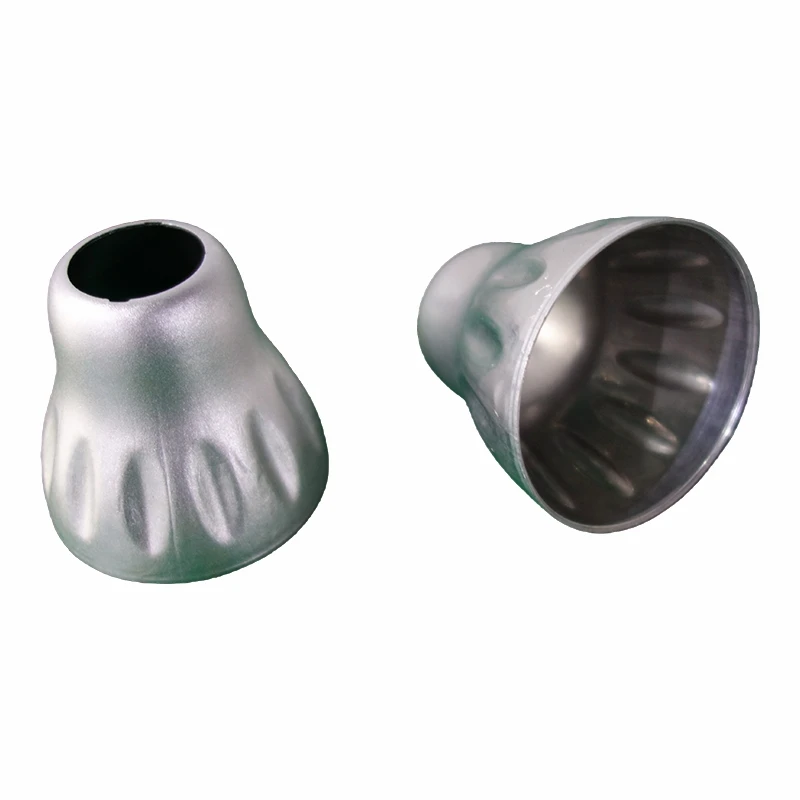
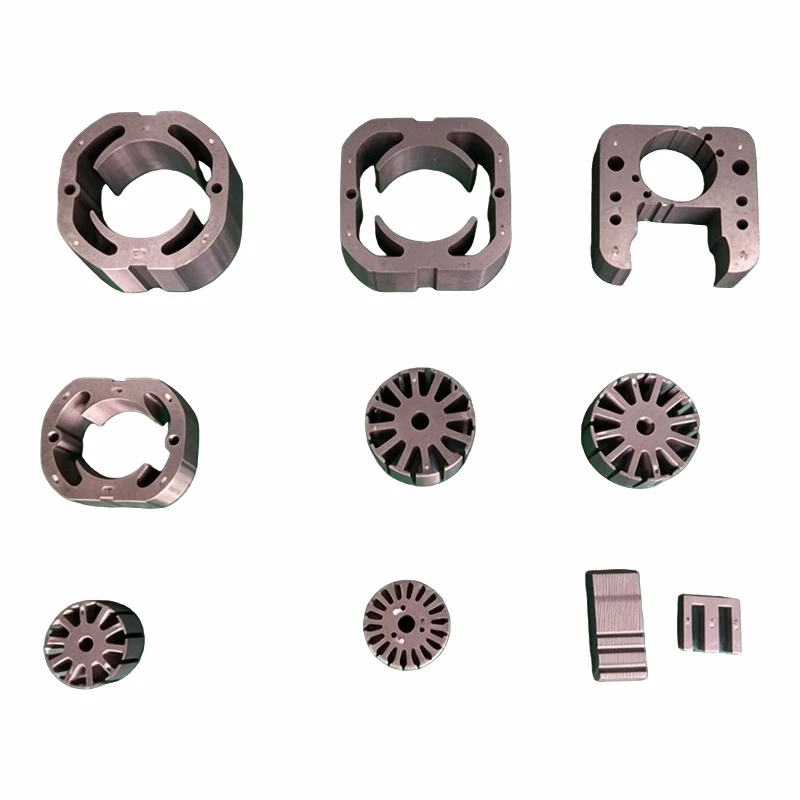
If you're ready to work with a supplier that prioritizes quality and has experience solving warping issues, feel free to connect with our team to discuss your custom stamping project. We can help you optimize every step to get the pressed components you need, flat and on time.
References:
- "Metal Stamping Processes and Residual Stress Management" – Journal of Materials Processing Technology, 2021
- "Warping in Pressed Metal Parts: Causes and Mitigation Strategies" – Society of Manufacturing Engineers, 2020
- "Thermal Stress in Secondary Operations for Stamped Parts" – International Journal of Advanced Manufacturing Technology, 2019