

Hey there, if you’re a engineer, product designer, or just someone who’s worked with metal parts, you’ve probably noticed how metal stamping parts are everywhere—from your phone to your car, even the fridge in your kitchen. As a metal stamping parts supplier, I get asked all the time: “What are the common shapes of stamping parts, and why does that matter?” Today, I’m breaking down the shapes you’ll see most often, plus how we tailor them to fit different industries (and yeah, I’ll throw in some quick links to specific part types if you want to dive deeper).
First off, let’s keep it simple: metal stamping is just a process where flat metal sheets get pressed into shapes with dies—think cookie cutters, but way more precise. The shape of the part isn’t just random; it’s about function, cost, and how it fits into a larger product. Let’s start with the basics, no jargon, promise.
-
Flat/Profile Stamping Parts
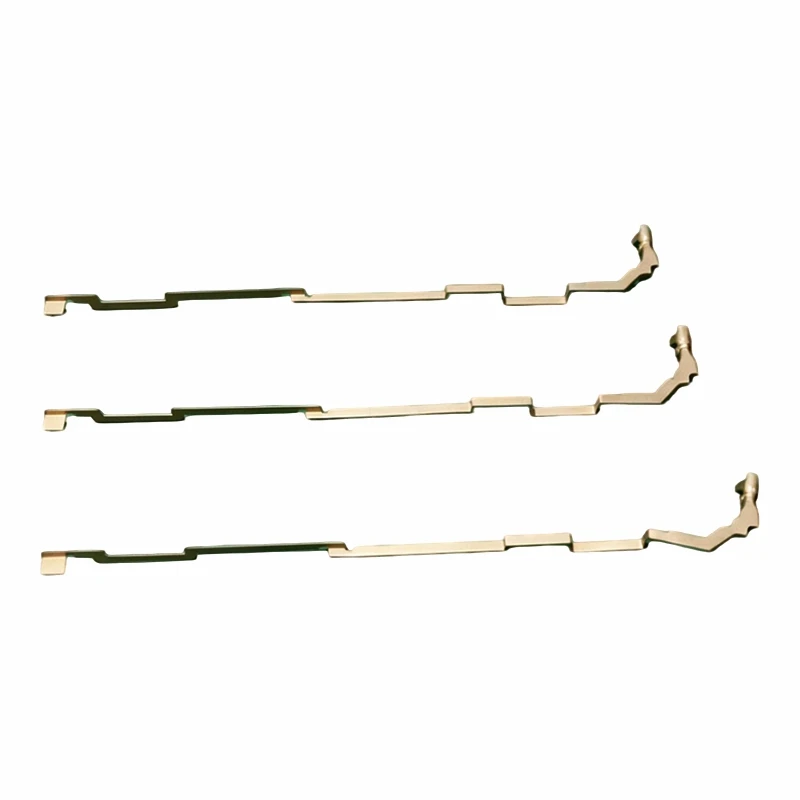
Wait, flat doesn’t mean boring here. These are the most basic stamping shapes—usually thin, flat sheets with simple cuts or bends, no deep forming. I’m talking washers, brackets, small brackets that hold wires in electronics, or the panels that cover the inside of a toaster. For example, precision terminal stamping parts (that’s [link text=”Precision Terminal Stamping Parts” url=”/metal-stamping-parts/electronic-stamping-parts/precision-terminal-stamping-parts.html”]) fall into this category. Terminals are those tiny, flat metal bits that connect circuits—they’re stamped thin, flat, and with small tabs to lock into place. Flat stamping is great for high-volume runs because dies are simple, and the process is fast. You’ll also see this in appliance metal panels (check [link text=”Appliance Metal Panels” url=”/metal-stamping-parts/home-appliance-stamping-parts/appliance-metal-panels.html”])—many appliance exteriors start as flat sheets that get bent later, but the initial stamping cut is flat profile. -
Bent/Angular Stamping Parts
Next up, parts with 90-degree or other simple bends. These are super common because bending is easy and cheap in stamping. Think of a L-shaped bracket that holds a shelf, or a U-shaped clip that secures a car door panel. The key here is that the bend adds rigidity—flat metal would bend under pressure, but a bent shape is way stronger. A lot of hardware stamping (look at [link text=”Hardware Stamping” url=”/metal-stamping-parts/custom-stamped-parts/hardware-stamping.html”]) uses bent shapes: door hinges, drawer slides, even the latches on toolboxes. What’s cool is you can bend multiple angles in one stamping run, so you don’t have to assemble separate parts later—saves time and money. For example, a U-shaped bracket for mounting a TV is stamped with two 90-degree bends, all in one go. -
Deep-Drawn Cylindrical/Conical Parts
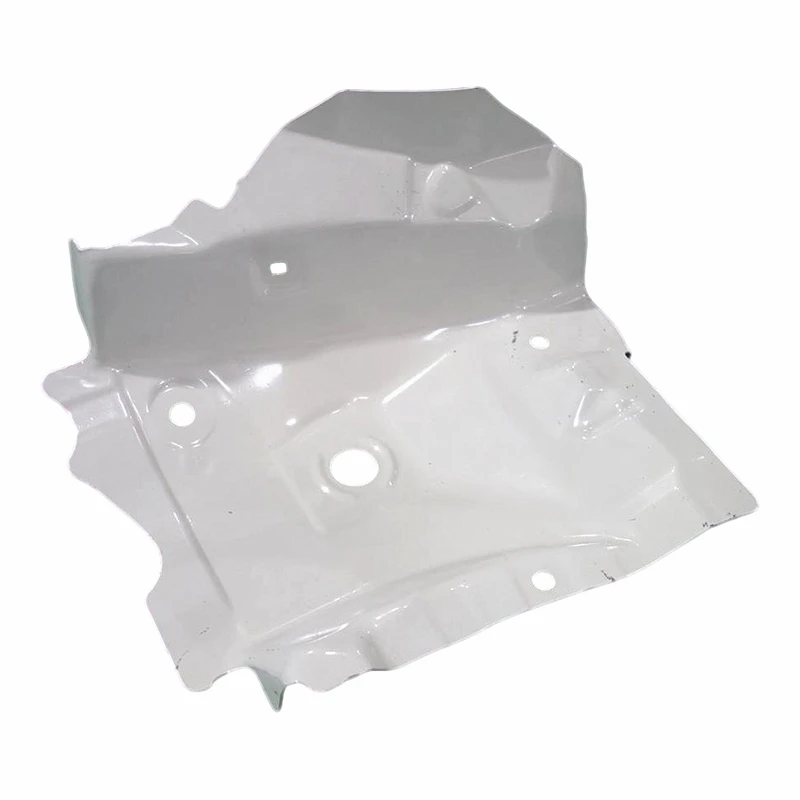
Now we’re getting a bit more complex. Deep-drawn stamping is when you press a flat metal sheet into a die that pulls it into a deep, hollow shape—like a cup, a tube, or a cone. These are huge in automotive and electronics. Let’s take EVs, for example. EV stamped parts (check [link text=”EV Stamped Parts” url=”/metal-stamping-parts/automotive-ev-stamping-parts/ev-stamped-parts.html”]) include deep-drawn battery cases or heat shields—wait, heat shield stamping parts ([link text=”Heat Shield Stamping Parts” url=”/metal-stamping-parts/automotive-ev-stamping-parts/heat-shield-stamping-parts.html”]) are often conical or cylindrical to fit over battery packs and block excess heat. The deep shape is perfect for containing or directing heat, and stamping makes these parts consistent even at high volumes. Conical parts are also used in speakers—those metal cones that vibrate to make sound are stamped in a conical shape, so they’re lightweight and sound evenly. The big plus here is deep-drawn parts have no seams, which makes them stronger and watertight, ideal for EV batteries or kitchen appliances like pressure cookers. -
Ribbed/Textured Stamping Parts
Wait, shape doesn’t just mean 2D or 3D outline—ribs and textures are shape elements too. These are small, raised lines or patterns stamped into flat or bent parts to add strength without adding weight. Think of the back of a laptop—you’ll see those thin metal strips that hold the screen in place, but they have tiny ribs to stop the whole panel from flexing. Or a appliance metal panel that has a subtle texture to prevent fingerprints—stamping that texture right into the part means you don’t have to paint or coat it later, cuts steps in production. Ribbed parts are also common in automotive: the inner panels of car doors have ribs to hold speakers and wires, all stamped in one piece. As a supplier, we love making these because they’re easy to add with a simple die change, and the function is instant—no extra assembly needed. -
Irregular/Custom Stamping Parts
Of course, not all parts fit into neat categories. A lot of stamping parts have irregular shapes—think a complex bracket that wraps around an engine part, or a precision terminal with tiny, notched tabs that fit into a specific circuit. These are custom shapes, but they still follow stamping rules: the shape has to be something the die can form without tearing the metal. For example, a heat shield for an EV might have irregular curves to fit around the battery’s cooling lines—we can design the die to match that exact shape, so it fits perfectly. The key here is working with a supplier who can balance design and manufacturability; you might think a shape is great, but it could be too tight for stamping (like sharp corners that cause metal cracks). That’s why we always work with designers early on to tweak irregular shapes so they’re functional and easy to stamp.
Now, why does all this matter? If you’re designing a product, picking the right shape for your stamping part saves you money, time, and headaches down the line. A flat precision terminal is way cheaper than a custom-machined one, a bent bracket is easier to install than a welded metal piece, and a deep-drawn heat shield keeps your EV battery safer. As a metal stamping parts supplier, we’ve seen designs that go wrong because the shape wasn’t thought through—like a part that’s too thin to bend without breaking, or a shape that requires two stamping runs when one would work.
A quick note on materials too—all these shapes work with different metals: steel, aluminum, copper, even stainless steel. For example, hardware stamping parts might use mild steel because it’s cheap and easy to bend, while heat shield stamping parts need stainless steel to handle high temperatures. The shape pairs with the material to make the part work.
At the end of the day, the common stamping shapes are just solutions to specific problems: strength, cost, fit, function. Whether you need a simple flat terminal for electronics, a bent bracket for a cabinet, a deep-drawn heat shield for an EV, or a custom irregular part, stamping can get it done.
If you’re working on a project right now and need to talk through what shape would work best for your metal stamping parts, hit us up to connect for procurement discussions. We’re here to answer questions, tweak designs, and deliver parts that fit exactly what you need.
References
- "Metal Stamping Basics: Understanding Common Part Shapes and Applications" – Manufacturing Today, 2023.
- "Precision Stamped Parts for Automotive EVs: Design and Formability" – Journal of Metal Forming Technology, 2022.
- "Appliance Metal Components: Stamping Processes and Shape Optimization" – Home Appliance Engineering Journal, 2021.
- "Hardware Stamping: Cost and Shape Considerations for High-Volume Production" – Industrial Hardware Magazine, 2023.