

If you've ever held a door hinge, a phone chassis, or a tiny metal clip inside a kitchen appliance, chances are it came from a stamping line. As a stamping parts supplier, I get asked all the time: what actually goes into turning a flat sheet of metal into that precise, useful part? It's not just slamming a hammer on metal-there's a method to every step, and it's way more technical than people think. Let me walk you through the drawing process for stamping parts, how we tweak it to get results that hold up, and where you can dive deeper into the stuff we make.
First, let's clear up a common mix-up: "drawing" here isn't sketching on paper. In stamping, drawing is a metal forming process that stretches or draws a blank (that flat piece of metal we start with) into a shape with depth-like a cup, a curved bracket, or a housing for a small electronic. It's different from, say, bending, which just folds metal along a line, or blanking, which cuts a flat shape out of a sheet. Our job as a stamping parts supplier makes this distinction super important; messing up the drawing step means a part that won't fit, won't work, or worse, breaks early.
Let's start with the very beginning before we even touch a stamping machine. You can't draw metal without picking the right raw material, and we don't just grab any old sheet. First, we talk to our customer about what the part needs to do: is it going outside in freezing rain? Inside a dishwasher, so it needs to handle high heat and moisture? Does it have to be super light for a drone, or tough enough to hold heavy equipment parts? That tells us which metal to use-stainless steel for corrosion resistance, aluminum for weight, cold-rolled steel for strength, even specialty alloys for aerospace stuff.
Once the material is sorted, we move to designing the blank. The blank isn't just the shape of the final flat part-drawing stretches metal, so we have to account for that stretch. For example, if we need a 1-inch deep cylindrical cup, the blank isn't a 2-inch circle. We calculate the amount of material that will stretch during drawing, trim off excess, and account for any edge trimming we'll do later. Mess up the blank size, and the part will crack if it's stretched too thin, or have extra bulges if it's too big. That's why we use specialized software here to run simulations before we cut a single sheet. It might sound boring, but skipping this step is how we waste thousands of dollars in metal and time.
Next up: tooling. This is the heart of the drawing process. Drawing uses two main tools: a punch (the male part that pushes into the metal) and a die (the female cavity that the metal wraps around). The gap between the punch and the die is critical-too tight, and you'll scratch or tear the metal; too loose, and the part will have uneven walls or wrinkling. For simple parts, we might use a single die, but for complex, high-volume parts, we rely on progressive metal stamping. If you need to make hundreds of thousands of the same part, progressive stamping is where multiple steps (blanking, drawing, trimming, punching holes) happen in one continuous line. That cuts down on time and costs, and keeps the part consistent every single time. If you want to see how that works, our progressive metal stamping page breaks down all the details of that process.
Before we run full production, we do a trial draw. We make a small batch of parts, check for common issues, and tweak the tooling or blank size if needed. The most common problems here are tearing, wrinkling, or springback. Tearing happens when the metal is stretched too thin-usually at the deepest point of the draw. Wrinkles form on the top edge of a deep draw if the metal isn't tight enough as it's pushed into the die. Springback is when the metal tries to bounce back to its original shape after the punch is removed-super common with stainless steel, so we have to overbend or overdraw the part a little to compensate.
When we get the trial draw right, full production starts. The process is pretty straightforward once the tooling is set up: we feed the metal sheet into the stamping press, the punch pushes down, stretching the blank into the die cavity to make the part shape, then the punch retracts, and the part is ejected. Wait, but there's more to it than that-we have to use a lubricant, right? Stamping metal without lubrication means the metal will stick to the punch or die, scratch the part, or even wear out the tooling way faster. The type of lubricant depends on the metal: lighter oils for aluminum, heavier, more durable compounds for steel. It's another small step that makes a huge difference in part quality.
Wait, let's talk about something I see new suppliers mess up all the time: deep drawing vs. shallow drawing. A shallow draw might be a simple 1/4-inch indent, like a small clip or a shallow tray. A deep draw is anything deeper than half the diameter of the blank, like a 2-inch deep cup from a 3-inch blank. Deep draws need extra steps, too. Sometimes we do multiple draw operations instead of one-each step stretching the metal a little more, so we don't tear it. We also use a blank holder, a ring that presses down on the metal around the die to prevent those wrinkles I mentioned earlier. That's a non-negotiable for deep draws; skip the blank holder, and you'll end up with a part that looks like a crumpled ball, not a useful stamping component.
Once the part is drawn, we don't just ship it off-there's post-drawing processing. First, we trim the excess top edge (called the flange) that's leftover from the draw. Then we might punch holes, add threads, or do secondary operations like polishing or coating, depending on the customer's needs. Then quality control: we check every part for cracks, dimensional accuracy, finish. If even one part is off, that's a problem for the customer, especially if they're assembling a whole product out of these parts.
As someone who works with stamping parts every day, I know how easy it is to take this process for granted. Most people don't think about how their phone's battery holder, their bike's chain guard, or even the tiny brackets inside their fridge are made, but it's all tied to this drawing process. The key here is that it's not just mechanical-it's a mix of science and experience. You can run simulations all day, but sometimes a tweak to the lubricant or a small change to the tooling gap is what turns a bad trial part into a perfect one.
If you're a manufacturer looking for custom metal parts, you've probably looked at different types of stamped components, and you might have questions about which process fits your needs. For example, if you need a low-volume, custom part, a single-die draw might be best. If you need high-volume, consistent parts, progressive metal stamping is the way to go (we touched on that earlier, but our stamping product page has all the specifics on what we can deliver). If you're still not sure what kind of hardware stamping your project needs, that hardware stamping link walks through the different materials and styles we work with.

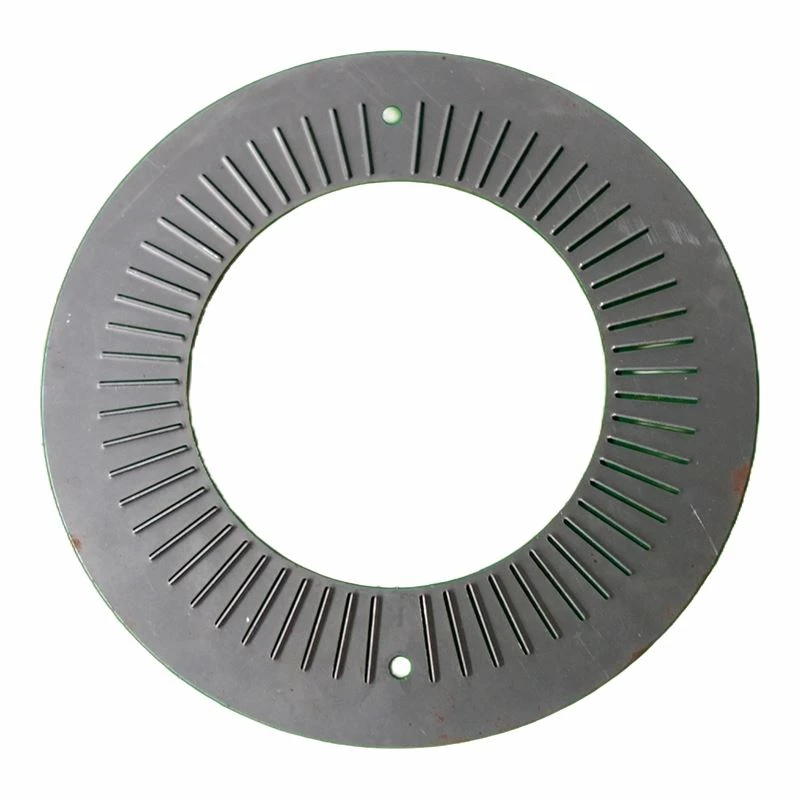
At the end of the day, the drawing process for stamping parts is all about precision: picking the right metal, designing the blank correctly, building the right tooling, testing before full production, and tweaking every step to get a part that works for your application. As a supplier, that's what we care about most-delivering parts that not just look good, but hold up, fit correctly, and meet your exact needs.
If you're ready to talk about a project, want to see samples of the stamping parts we make, or have questions about how the drawing process would work for your specific design, feel free to reach out. We're here to walk you through every step, answer your questions, and make sure you get exactly what you need for your product.
References
- Metal Stamping Association. (2022). Fundamentals of Metal Forming: Drawing Processes. Retrieved from industry publications for stamping suppliers
- Custom Metal Parts Magazine. (2023). Tooling and Process Optimization for Deep Drawing Stamping Parts. Quarterly technical guide for manufacturing professionals
- Progressive Stamping Today. (2024). High-Volume Stamping: Best Practices for Consistent Part Quality. Industry white paper on progressive metal stamping operations