

Galvanic corrosion is a real headache in many industries, especially those that rely heavily on metal parts. As a supplier of Shielding Metal Parts, I've seen firsthand how this type of corrosion can cause serious problems. So, the big question is: Can shielding metal parts prevent galvanic corrosion? Let's dive in and find out.
First off, let's understand what galvanic corrosion is. It happens when two different metals are in contact with each other in the presence of an electrolyte, like water or a salt solution. This creates an electrical circuit, and the more reactive metal gets eaten away as it corrodes. This can lead to all sorts of issues, like weakened structures, malfunctioning equipment, and costly repairs.
Now, let's talk about shielding metal parts. These are parts that are designed to protect other components from electromagnetic interference, but can they also help with galvanic corrosion? Well, the short answer is yes, they can play a role.
Shielding metal parts can act as a barrier between the two dissimilar metals. By separating them, we can break the electrical circuit that causes galvanic corrosion. For example, if we have a copper and aluminum joint in a device, a properly placed shielding metal part can prevent direct contact between the two metals. This reduces the likelihood of current flow and, in turn, corrosion.

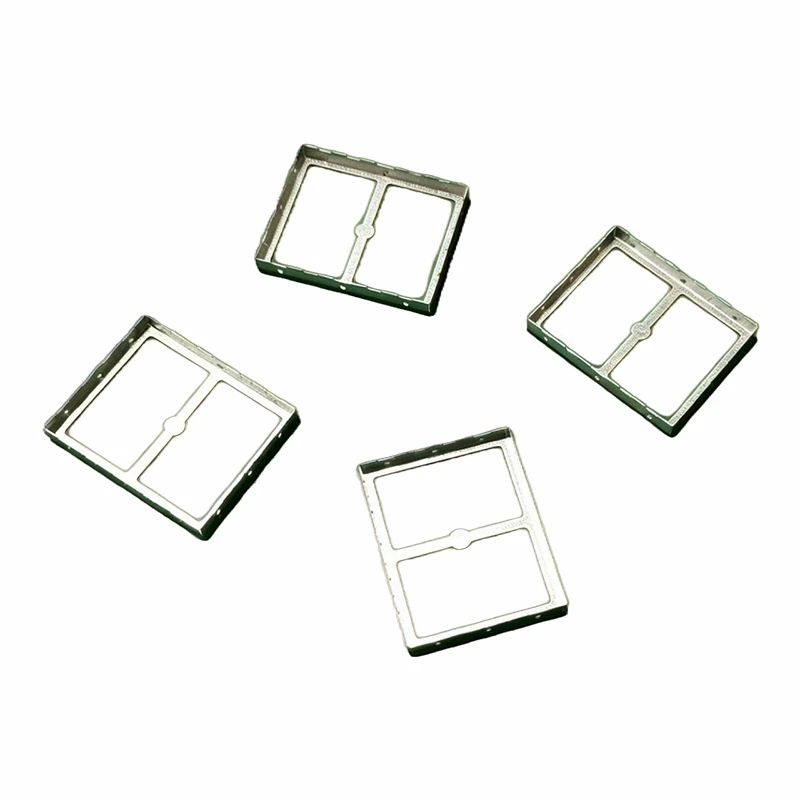
But it's not as simple as just slapping on a shield. The type of metal used for the shielding is crucial. We need to choose a metal that is either less likely to corrode or is a good match for the other metals in the system. For instance, stainless steel is often a great choice for shielding because it's quite resistant to corrosion. It can form a protective oxide layer on its surface, which helps to prevent further corrosion.
Another important factor is the quality of the shielding. A poorly made shield might have gaps or imperfections that allow the electrolyte to seep through and still cause corrosion. That's why at our company, we pay close attention to every detail when manufacturing our Shielding Metal Parts. We use high - quality materials and precise manufacturing processes to ensure a tight and effective shield.
Let's look at some real - world examples of how shielding metal parts can be beneficial. In the electronics industry, Small Precision Stamped Components are often used. These components are very delicate, and any corrosion can cause them to fail. By using shielding metal parts, we can protect these small components from galvanic corrosion, increasing their lifespan and reliability.
Connector stamped parts are another area where shielding is important. Connector Stamped Parts are used to connect different parts of an electronic device. If they corrode, the connection can become loose or interrupted, leading to malfunctions. Our shielding parts can provide a protective layer around these connectors, keeping them safe from the harmful effects of galvanic corrosion.
In the printer industry, Printer Stamped Parts are constantly exposed to various chemicals and moisture. This makes them highly susceptible to galvanic corrosion. By incorporating shielding metal parts, we can ensure that the internal components of the printer remain in good condition, reducing the need for frequent repairs and replacements.
Office automation equipment also benefits greatly from shielding. Office Automation Stamped Parts are used in a wide range of devices, from copiers to fax machines. These parts need to be reliable and long - lasting, and shielding metal parts can help achieve this by preventing galvanic corrosion.
However, it's important to note that shielding metal parts are not a magic solution. They work best when combined with other corrosion prevention methods. For example, applying a protective coating on the metals can add an extra layer of defense. Regular maintenance and inspection are also essential to catch any signs of corrosion early on.
In addition, the environment in which the metal parts are used plays a big role. If the parts are exposed to harsh conditions, like high humidity or a lot of salt in the air, the shielding might need to be more robust. We take these environmental factors into account when recommending the right shielding metal parts for our customers.
So, to sum it up, shielding metal parts can definitely help prevent galvanic corrosion. They act as a physical barrier, separate dissimilar metals, and can be made from corrosion - resistant materials. But we need to use them in combination with other measures for the best results.
If you're in need of high - quality shielding metal parts to protect your equipment from galvanic corrosion, don't hesitate to reach out. We're here to help you find the right solutions for your specific needs. Whether you're in the electronics, printer, or office automation industry, we've got you covered.
References
- Jones, D. A. (1992). Principles and Prevention of Corrosion. Macmillan Publishing Company.
- Uhlig, H. H., & Revie, R. W. (1985). Corrosion and Corrosion Control: An Introduction to Corrosion Science and Engineering. John Wiley & Sons.