

Yo, what's up everyone! As a supplier of Projector Stamped Parts, I've been diving deep into the world of international trade. It's a wild ride, full of twists and turns. In this blog, I'm gonna share with you the challenges I've faced in this field.
The first challenge: Different regulations and standards
One of the biggest headaches in international trade of projector stamped parts is dealing with different regulations and standards around the world. Each country or region has its own set of rules when it comes to product safety, quality, and environmental protection. For example, the European Union has the RoHS (Restriction of Hazardous Substances) directive. This means that our projector stamped parts need to comply with strict limits on harmful substances like lead, mercury, and cadmium. Meeting these requirements isn't easy. It often involves additional testing and certification, which can be time - consuming and costly.
Another aspect is the quality standards. Some countries have very high - tolerance requirements for the dimensions and surface finish of stamped parts. Failing to meet these standards can lead to rejected shipments, which is a major setback for our business. We've had to invest in advanced inspection equipment and well - trained quality control personnel to ensure that our products meet the diverse standards. It's a never - ending battle to keep up with all the different regulations and standards in every market we're targeting.
The second challenge: Complex logistics and shipping
Logistics and shipping are like a maze in international trade. Projector stamped parts are relatively small but can be quite numerous in a single order. This means that proper packaging is crucial to prevent damage during transportation. We've had to figure out the best packaging materials and methods to ensure the parts arrive in good condition. Sometimes, we opt for special anti - static and shock - absorbing packaging for sensitive stamped parts.
Choosing the right shipping method is also a challenge. There are several options available, like air freight, sea freight, and courier services. Air freight is fast but expensive, which is suitable for urgent orders. Sea freight is more cost - effective but takes a long time. And courier services are convenient for small - volume orders but can be pricey for large shipments. We need to balance cost, delivery time, and the nature of the shipment to make the best choice.
There are also issues with customs clearance. Different countries have different customs procedures and requirements. Delays in customs clearance can disrupt our supply chain and cause dissatisfaction among our customers. We've had to work closely with customs brokers to ensure a smooth clearance process, but it's still a hassle.
The third challenge: Currency fluctuations
Currency fluctuations can have a big impact on our profit margins. When we sell our projector stamped parts overseas, we usually invoice in the local currency of the buyer or in a major international currency like the US dollar. If the exchange rate changes unfavorably between the time we make the deal and the time we receive the payment, it can eat into our profits.
For instance, let's say we agree on a price in US dollars with a customer in Europe. If the euro weakens against the dollar before we get paid, the amount of money we receive in our local currency will be less than expected. To mitigate this risk, we sometimes use currency hedging strategies. But these strategies also come with their own costs and risks, and they're not always foolproof. It's really a challenge to manage the uncertainty caused by currency fluctuations in international trade.
The fourth challenge: Cultural and language barriers
Doing business overseas means dealing with people from different cultures and speaking different languages. Cultural differences can affect business negotiations and relationships. For example, in some cultures, building a personal relationship before getting down to business is very important, while in others, it's all about getting straight to the point.
Language barriers can also cause misunderstandings. Although English is widely used in international business, there are still nuances and idiomatic expressions that can be misinterpreted. We've had situations where a small misunderstanding in communication led to delays in order processing or even disputes. To overcome this, we've hired multilingual staff and use translation services when necessary. But it's still not easy to fully bridge the cultural and language gaps.
The fifth challenge: Intense competition
The market for projector stamped parts is highly competitive. There are many suppliers around the world, offering similar products. Some suppliers may offer lower prices, which can be a major challenge for us. We need to find a way to differentiate our products and services to stand out in the market.
One way we do this is by focusing on quality and innovation. We invest in research and development to improve the performance and durability of our projector stamped parts. We also offer custom - made solutions to meet the specific needs of our customers. However, competing with low - cost suppliers from some regions is still a tough battle. We need to constantly look for ways to optimize our production processes and reduce costs without sacrificing quality.
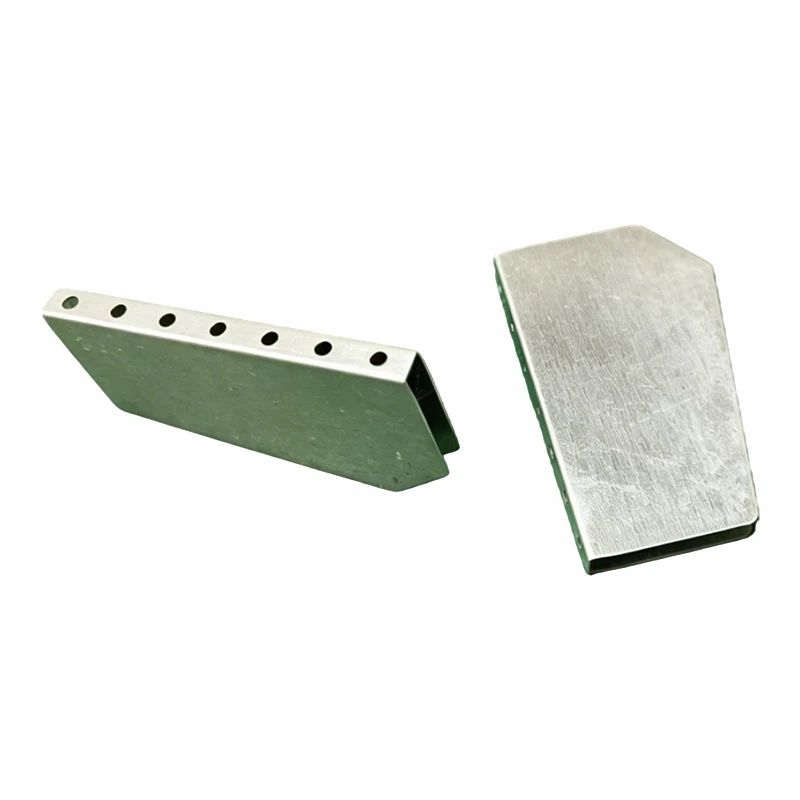
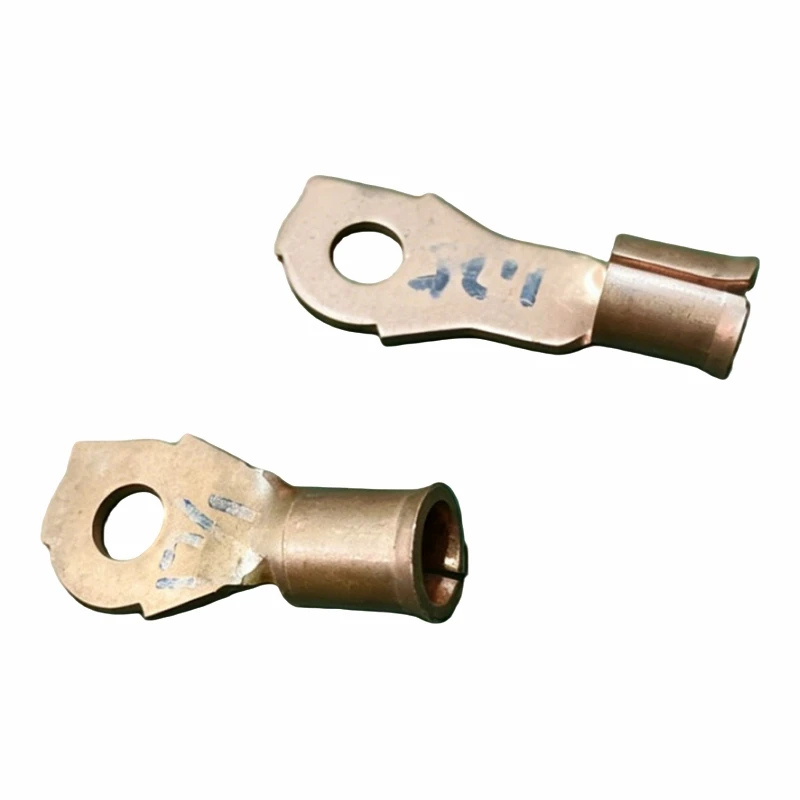
Now, I'd like to mention some of our other related products. If you're interested in other types of stamped parts, we also offer Electrical Contact Stamped Parts, Shielding Metal Parts, Printer Stamped Parts, Small Precision Stamped Components, and Connector Stamped Parts.
Despite the challenges, we're still committed to providing high - quality projector stamped parts to our customers. If you're interested in our products and want to know more about our prices, customization options, or lead times, feel free to reach out for a procurement discussion. We're always eager to do business and build long - term relationships with our partners.
References
- International Chamber of Commerce, "Guidelines for International Trade Practices".
- World Trade Organization, "Trade Regulations and Standards".
- Shipping and Logistics Industry reports on global shipping challenges.