

As a supplier of home appliance stamping parts, I've seen my fair share of challenges in this industry. In this blog, I'll share some of the hurdles we face during the production process and how we tackle them.
1. Material Quality and Cost
One of the first challenges we come across is finding the right balance between material quality and cost. For home appliance stamping parts, the material needs to be strong enough to withstand regular use, yet also malleable for stamping. We often use metals like steel and aluminum, but the prices of these materials can be quite volatile.
When the cost of raw materials shoots up, it becomes a real headache. We have to either absorb the cost, which eats into our profit margins, or pass it on to our customers, who might not be too happy about a price increase. What's more, ensuring consistent material quality is crucial. A batch of low - quality material can lead to defective stamping parts, which means wasted time and money on rework.

To deal with this, we've established long - term partnerships with reliable material suppliers. This helps us get better prices and more stable supply. We also conduct strict quality checks on every batch of materials we receive. By doing so, we can catch any potential issues early on and avoid production delays.
2. Precision and Tolerance Requirements
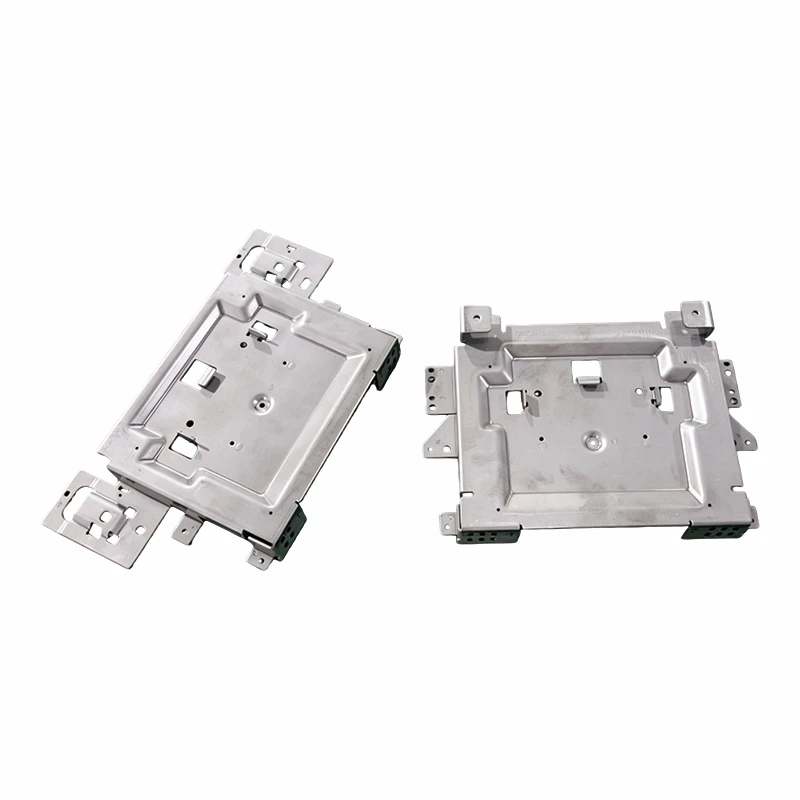
Home appliance stamping parts need to be extremely precise. Whether it's Appliance Metal Brackets that hold the components in place or Washing Machine Stamped Parts that need to fit perfectly within the machine, even a small deviation can cause big problems.
The tolerance levels in stamping are often very tight. For example, in some cases, the allowable deviation might be just a few thousandths of an inch. Achieving such high precision requires state - of - the - art stamping equipment and highly skilled operators.
Our stamping machines need to be regularly maintained and calibrated to ensure they can perform at the required precision. We also invest in training our operators to handle the complex stamping processes. They need to be able to adjust the machines on the fly and make quick decisions to fix any issues that might affect precision.
3. Tooling Design and Maintenance
Tooling is the heart of the stamping process. A well - designed tool can produce high - quality stamping parts efficiently, while a poorly designed one can lead to all sorts of problems. Designing the right tool for home appliance stamping parts is no easy feat.
We have to consider factors like the shape of the part, the material being used, and the production volume. For complex parts, the tooling design can be extremely intricate, requiring a lot of time and expertise. And once the tooling is made, it needs to be maintained properly.
Tool wear and tear is a common issue. Over time, the cutting edges of the tools can become dull, and the molds can get damaged. This can result in parts that don't meet the quality standards. To address this, we have a dedicated tooling maintenance team. They regularly inspect and repair the tools, and when necessary, we invest in new tooling to keep up with the production requirements.
4. Production Efficiency and Capacity
In the home appliance industry, time is of the essence. Our customers often have tight deadlines, and we need to be able to produce the required quantity of stamping parts in a timely manner. However, achieving high production efficiency and capacity is not always straightforward.
There are many factors that can affect production efficiency, such as machine breakdowns, setup times, and worker productivity. We have to optimize our production processes to minimize downtime and increase throughput. For example, we've implemented lean manufacturing principles to reduce waste and streamline operations.
We also need to be able to scale up our production capacity when there's a sudden increase in demand. This might require investing in additional stamping equipment, hiring more workers, or expanding our production facilities. But all these come at a cost, and we need to make sure that the investment is viable in the long run.
5. Quality Control and Inspection
Quality control is a continuous challenge in home appliance stamping parts production. We need to ensure that every single part we produce meets the strict quality standards set by our customers. This involves a series of inspection steps throughout the production process.
We use a combination of manual and automated inspection methods. Manual inspections are great for detecting visual defects, but they can be time - consuming and prone to human error. Automated inspection systems, on the other hand, can quickly and accurately measure the dimensions and detect any hidden defects.
However, setting up and maintaining these inspection systems can be expensive. And even with the best inspection methods in place, there's always a risk of a defective part slipping through the cracks. To minimize this risk, we have a comprehensive quality management system that includes regular audits and continuous improvement initiatives.
6. Environmental and Regulatory Compliance
In recent years, environmental and regulatory compliance has become a major challenge for the home appliance stamping parts industry. There are strict regulations regarding the use of certain materials, waste management, and emissions.
For example, some metals used in stamping might contain harmful substances, and we need to ensure that they are used in a way that complies with environmental laws. We also have to manage the waste generated during the stamping process, such as scrap metal and lubricants.
To meet these requirements, we've implemented environmentally friendly practices in our production facilities. We recycle as much scrap metal as possible, and we use eco - friendly lubricants. We also stay up - to - date with the latest regulations and make sure that our production processes are in full compliance.
7. Competition in the Market
The home appliance stamping parts market is highly competitive. There are many suppliers out there, all vying for the same customers. To stand out, we need to offer high - quality products at competitive prices, along with excellent customer service.
We constantly have to keep an eye on our competitors' pricing strategies, product features, and marketing tactics. We also need to innovate and develop new products to meet the changing needs of the home appliance industry. For example, as home appliances become more energy - efficient and smart, we need to develop stamping parts that can support these new features.
Conclusion
In conclusion, producing home appliance stamping parts comes with a whole host of challenges. From material quality and cost to precision requirements, tooling design, production efficiency, quality control, environmental compliance, and market competition, there's a lot to handle.
But despite these challenges, we're committed to providing the best possible products and services to our customers. If you're in the market for Appliance Stamped Parts, Appliance Metal Panels, or Oven Stamped Parts, we'd love to have a chat with you. We can discuss your requirements and see how we can work together to meet your needs. Don't hesitate to reach out for a procurement discussion.
References
- Industry reports on home appliance stamping parts production
- Technical manuals of stamping equipment and tooling
- Environmental and regulatory guidelines for the manufacturing industry