

Hey there! As a hardware stamping supplier, I've been in the trenches of this industry for quite some time. I've seen firsthand how crucial inspection is in hardware stamping. So, let's dive into what role inspection plays in this field.
First off, what's hardware stamping? Well, it's a process where metal sheets are transformed into various shapes using specialized machinery and tools. You end up with all sorts of products like Stampings Part, Stamped Component, and Pressed Component. These items are used in a wide range of industries, from automotive to electronics.
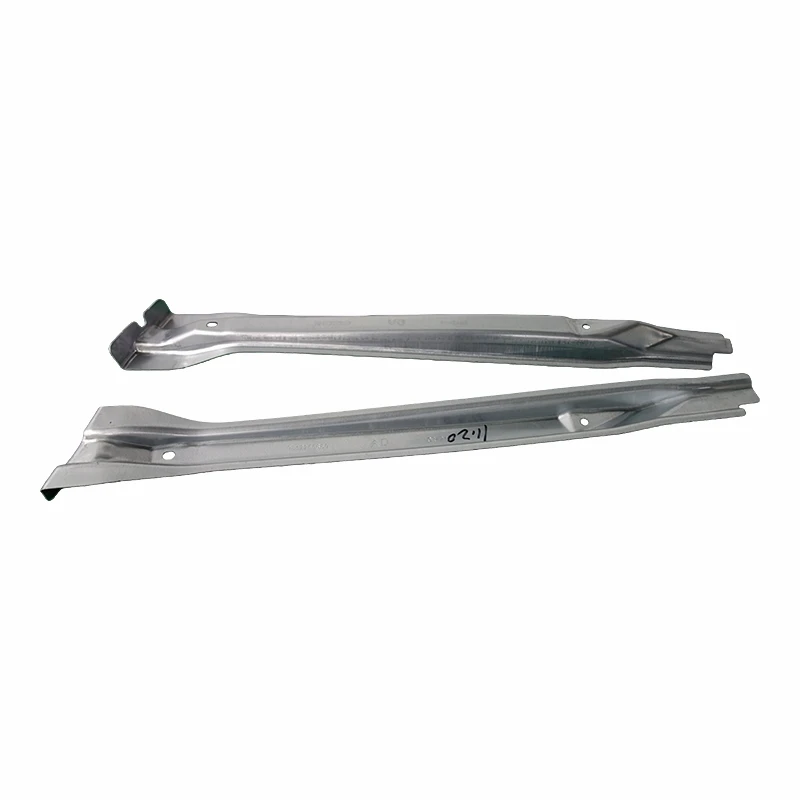
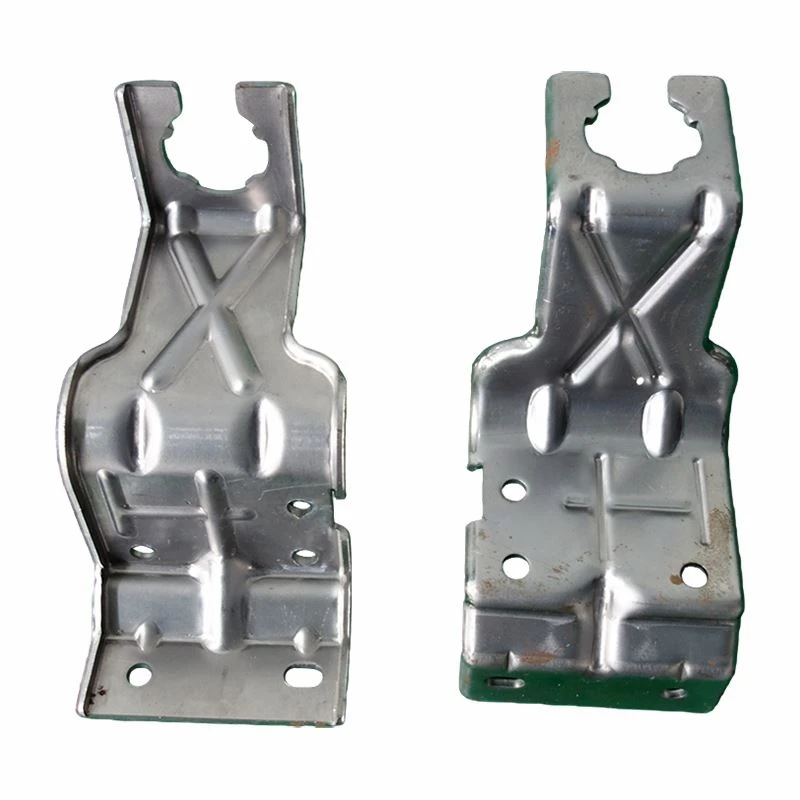
One of the main roles of inspection in hardware stamping is to ensure quality. In our line of work, the quality of the stamped parts is super important. If a part is poorly made, it can lead to all kinds of problems down the line. For example, in the automotive industry, a faulty stamped component could cause a safety hazard. That's why we do inspections at every stage of the stamping process.
We start with inspecting the raw materials. The quality of the metal sheet we use is the foundation of the whole stamping process. If the metal has any defects, like cracks or uneven thickness, it can affect the final product. So, we carefully examine the material before it even goes into the stamping machine. This helps us catch any issues early on and avoid wasting time and resources on a flawed batch.
Once the stamping process starts, we also have in - process inspections. These are done to make sure that the stamping is going as planned. We check things like the shape and size of the parts. For instance, if we're making Metal Stamped Part, the dimensions need to be accurate to within a very small tolerance. Even a tiny deviation can make the part useless. We use all sorts of tools for these inspections, like calipers and gauges, to measure the parts precisely.
Another important aspect of in - process inspection is to check the performance of the Progressive Metal Stamping Die. The die is like the heart of the stamping operation. It can wear out over time, and if it does, it will affect the quality of the stamped parts. We look for signs of wear and tear on the die, such as chipping or excessive wear on the cutting edges. If we notice any problems with the die, we can take it out for maintenance or repair right away, so we don't end up with a whole bunch of defective parts.
After the stamping process is complete, we do a final inspection. This is the last chance to catch any defects before the parts are shipped out to our customers. We look for things like surface finish. A rough or scratched surface can not only affect the appearance of the part but also its functionality. We also check for any burrs or sharp edges that could pose a danger during assembly or use.
Inspection also helps us with cost control. By catching defects early, we can reduce the amount of scrap material. Scrap is a big cost in hardware stamping. If we produce a lot of defective parts, we have to throw them away, which is a waste of material and money. And then there's the cost of reworking parts that don't meet the standards. By having a good inspection system in place, we can minimize these costs and keep our prices competitive.
In addition to quality and cost control, inspection is also important for meeting customer requirements. Our customers have specific standards and specifications for the stamped parts they order. We need to make sure that every part we send them meets these requirements. If we don't, we could lose the customer. By doing thorough inspections, we can be confident that the parts we deliver will satisfy our customers' needs.
It's also worth mentioning that inspection helps us improve our processes. When we find defects during an inspection, we analyze the root cause. Maybe it's a problem with the stamping machine settings, or perhaps the die needs to be redesigned. By figuring out what's going wrong, we can make changes to our processes to prevent similar defects from happening in the future. This continuous improvement is essential for the long - term success of our business.
In conclusion, inspection plays a vital role in hardware stamping. It's all about ensuring quality, controlling costs, meeting customer requirements, and driving process improvement. As a hardware stamping supplier, I know that without proper inspection, our business wouldn't be where it is today.
If you're in the market for high - quality stamped parts, we're here to help. We have the expertise and the inspection systems in place to ensure that you get the best products. Don't hesitate to reach out and start a conversation about your hardware stamping needs.
References
- General knowledge of the hardware stamping industry
- Years of experience as a hardware stamping supplier